
Nashville is known around the world for music, entertainment, food, and hospitality. But behind the city’s visitor economy is another important part of the local business landscape: retail. From neighborhood boutiques and specialty shops to clothing stores, gift shops, furniture retailers, and independent businesses, Nashville’s retail community serves both the people who live in Music City and the millions of visitors who come through each year. That creates an opportunity and a challenge.
A Nashville retailer may have a customer standing in the store one minute and a potential customer calling from a hotel across town the next. Someone may be looking for a particular size, asking whether an item is in stock, trying to find store hours, or wondering whether a product can be held for pickup. If nobody answers the phone, that customer may simply move on. For Nashville retail businesses, communication isn’t just an administrative function. It can be part of the sales experience.
Nashville Retailers Are Serving More Than One Type of Customer
One of the biggest differences between operating a retail business in Nashville and operating in a market without a major tourism economy is the variety of customers walking through the door. A neighborhood retailer may serve regular local customers throughout the year while also seeing visitors looking for gifts, clothing, Nashville-themed products, specialty goods, or something they forgot to pack. And the visitor economy is substantial. According to the Nashville Convention & Visitors Corp’s 2025 tourism report, visitors to Davidson County generated a record $11.6 billion in spending in 2025, a 3.5% increase from 2024. The county welcomed approximately 17.4 million daily and overnight visitors, while visitors spent an average of $31.8 million per day. That matters for retailers because shopping is part of the visitor experience. A customer who discovers a Nashville boutique online may not have time to browse multiple stores. They may have a few hours before a concert, convention session, dinner reservation, or flight. A quick answer can make the difference between a customer stopping by and continuing their search elsewhere.
A Missed Retail Call Can Mean a Missed Sale
Retail employees are usually focused on customers who are already inside the store. They’re helping someone find a product, processing purchases, restocking merchandise, answering questions, or assisting another employee. The phone can easily become secondary. But the person calling may be ready to make a purchase.
They could be asking:
- “Do you have this in a medium?”
- “Is this item still in stock?”
- “Do you have another color?”
- “Can you hold this for me?”
- “What time do you close?”
- “Do you carry Nashville gifts?”
- “Can I pick this up today?”
- “Are you open before the concert?”
A missed call doesn’t necessarily mean a lost customer but it creates an opportunity for the customer to go somewhere else. For a retailer, responsiveness can therefore become part of the sales funnel.
Nashville’s Visitor Economy Makes Convenience Especially Important
Tourists don’t always shop like local customers. A Nashville resident might have time to visit several stores or come back another day. A visitor may not. The Tennessee Department of Tourist Development’s 2025 Economic Impact of Travel report found that visitors spent a record $32.5 billion across Tennessee in 2025, and specifically noted that visitors over-indexed on shopping and dining compared with the national norm, particularly at locally owned businesses and unique local establishments.
For Nashville retailers, that creates an interesting customer-service challenge. A visitor searching for a specific product may be making a one-time purchase. If the store doesn’t answer the phone, doesn’t provide clear information, or makes it difficult to determine whether an item is available, the customer has little reason to wait. The easier the business makes the shopping experience, the easier it is for a potential customer to act.
Retail Communication Doesn’t Stop at the Front Door
For many retailers, communication is still thought of primarily as answering customer questions. But today’s retail experience involves multiple touch-points.
A customer might:
- Discover the business through search or social media.
- Visit the website.
- Call about a product.
- Visit the store.
- Request a product hold.
- Receive a text about the order.
- Return later for another purchase.
- Contact the business about an exchange or question.
Each interaction contributes to the customer’s impression of the business. That means communication technology should support the entire customer journey rather than simply make the phone ring somewhere in the store.
Business Texting Can Make Retail Communication Easier
Text messaging can be particularly useful for retail businesses because many customer questions don’t require a phone conversation.
For example, a customer might send:
“Do you still have the blue jacket in a large?”
An employee can check inventory and respond without interrupting another customer.
Retailers can also use business texting for:
- Product availability questions
- Order and pickup notifications
- Special-event announcements
- Customer inquiries
- Appointment-based shopping experiences
- Product reservations
- Promotional campaigns
- Review requests
The important distinction is that business texting should provide a convenient communication channel, not simply become another source of promotional messages. Customers are more likely to value a text when it answers a question or provides useful information.
The Personal Cell Phone Problem
Independent retailers and small business owners often start by using a personal phone number for business calls. It’s inexpensive and easy. But as the business grows, that arrangement can become difficult to manage. Customers may start calling an owner’s personal number outside business hours. Employees may use their own phones to communicate with customers. Important conversations can become scattered across multiple devices. A dedicated business number creates a clear separation between the business and the owner’s personal life. It also provides continuity. If an employee leaves, customers shouldn’t have to learn a completely new way to contact the business. The business number belongs to the company—not an individual employee.
Helping Employees Stay Connected Without Staying at the Front Desk
Retail employees aren’t always standing behind the register.
They may be:
- Helping customers on another floor
- Checking inventory in the back
- Receiving merchandise
- Assisting with displays
- Working an event
- Opening or closing the store
- Supporting another location
A cloud-based business phone system can allow calls to be routed to the appropriate employee or answered through a mobile device. That flexibility can be especially useful for independent retailers that don’t have a dedicated receptionist. Instead of expecting one person to monitor the phone constantly, businesses can create a communication system that fits the way employees actually work.
Communication Can Help Retailers Capture Event-Driven Business
Nashville’s calendar creates another consideration for local retailers. Concerts, conventions, festivals, sporting events, races, and major tourism periods can bring large numbers of potential customers into the city. For example, the St. Jude Rock ‘n’ Roll Running Series Nashville generated more than $80 million in annual economic impact in 2025, according to the Nashville Convention & Visitors Corp. Large events can change the rhythm of retail businesses. A store may see more visitors than usual, customers may have less time, and demand for certain products may increase. Communication can support those opportunities.
A retailer might use business texting or other communication tools to announce:
- Extended event-day hours
- New Nashville merchandise
- Limited-edition products
- Special promotions
- Product availability
- Pickup options
Nashville’s July 4th celebration offers another example. The 2025 event drew a record-breaking 365,000 attendees and generated an estimated $23.8 million in direct visitor spending. The goal isn’t to chase every visitor with a marketing message. It’s to make the business easier to discover and easier to buy from when demand increases.
Building Relationships With Local Customers
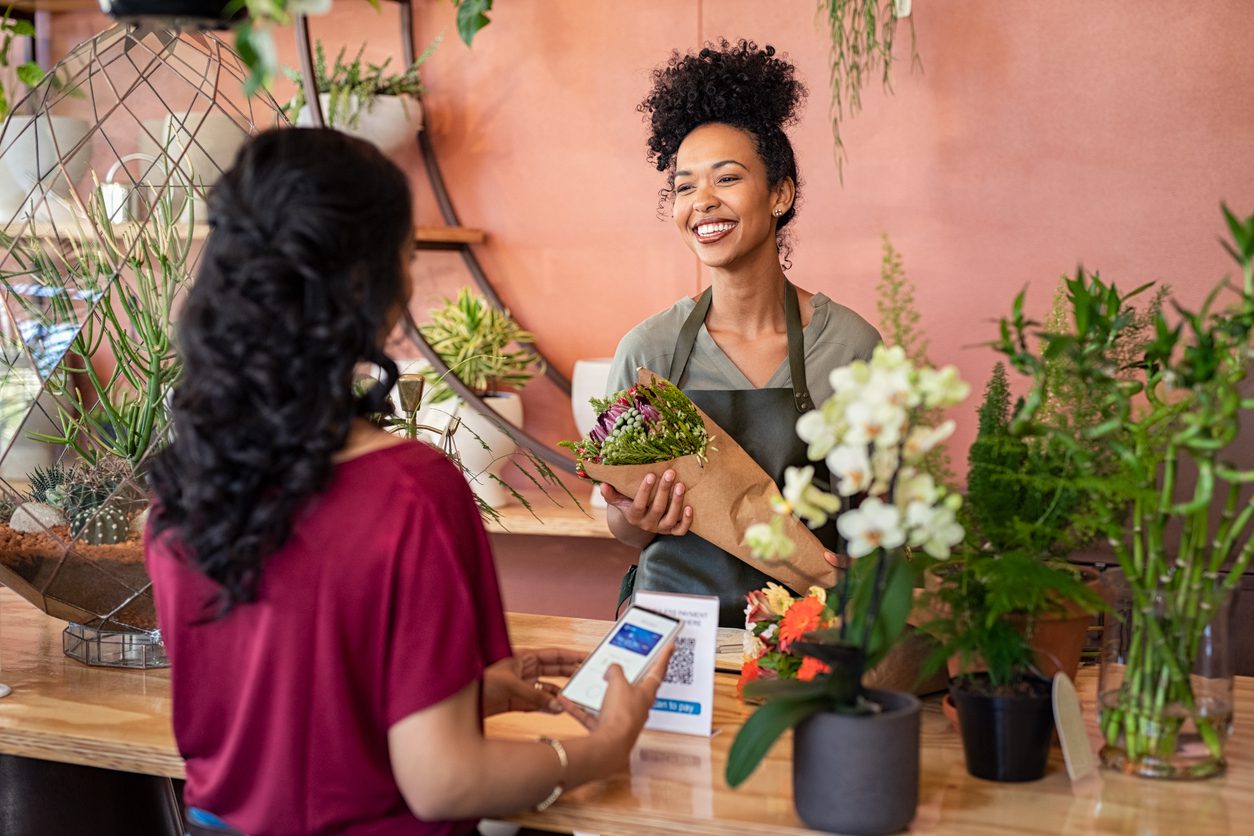
Tourists matter to Nashville’s retail economy, but local customers provide consistency throughout the year. A neighborhood retailer can use communication to maintain relationships between purchases.
That could include:
- New product announcements
- Loyalty program updates
- Restock notifications
- Personalized recommendations
- Local events
- Early access to promotions
- Customer appreciation events
The key is relevance. A customer who receives useful information about products they actually care about is having a very different experience from someone receiving constant generic promotions. For independent retailers, that distinction can help preserve the personal experience that larger chains often struggle to replicate.
Why Reviews and Follow-Up Matter
For a local retailer, the customer relationship doesn’t necessarily end when the transaction is complete. A follow-up message can provide an opportunity to ask whether the customer found what they needed, provide information about future purchases, or request a review. That matters because online reputation can influence whether new customers decide to visit.
Communication should therefore support both sides of the retail business:
Acquisition: Helping new customers find, contact, and purchase from the business.
Retention: Giving existing customers reasons to return.
A strong communication strategy should make both easier.
Supporting Nashville Retail Businesses as They Grow
A small boutique may begin with one owner and one location. Over time, it could add employees, move into a larger storefront, open another location, launch an e-commerce operation, or expand its product line. Communication needs change as the business grows.
A growing retailer may eventually need:
- Multiple business numbers
- Call routing
- Business texting
- Mobile calling
- Shared voicemail
- Auto attendants
- Communication across multiple locations
- Consistent customer service processes
Cloud-based communication can provide that flexibility without requiring a traditional office phone system. The goal isn’t to add technology simply because it exists. It’s to create a communication infrastructure that can grow alongside the business.
Choosing the Right Communication Tools for a Nashville Retail Business
Every retailer has different needs. A small boutique may primarily need a professional business number and texting. A larger store with multiple employees may need call routing and shared communication. A multi-location retailer may need a more centralized system.
Before investing in new tools, business owners should ask:
How many customer calls are we missing?
If employees regularly miss calls while helping customers, call routing or mobile access may help.
Are customers asking the same questions repeatedly?
If so, automated messages or better online information may reduce repetitive interactions.
Are employees using personal numbers?
A dedicated business number can help create clearer boundaries.
Do we have multiple locations?
A centralized communication system can make it easier for customers to reach the appropriate store or employee.
Do we have significant seasonal or event-driven traffic?
Flexible communication tools can help businesses handle temporary increases in demand.
The best communication solution isn’t necessarily the one with the longest feature list.
It’s the one that addresses the actual friction points in the customer journey.
The Future of Retail in Nashville Is About Convenience and Connection
Nashville’s retail environment benefits from something many cities would like to have: a combination of a growing local economy and a powerful visitor economy. The latest Nashville tourism statistics from Visit Music City show just how significant that visitor economy has become. In 2025, Davidson County recorded 17.4 million visitors and $11.6 billion in visitor spending. Technology won’t replace the experience of walking into a local Nashville store, talking with an employee, finding something unexpected, or discovering a product that isn’t available from a mass-market retailer. In many ways, technology can help preserve that experience. When routine communications are handled efficiently, employees have more time to focus on customers who are physically in the store. When calls don’t disappear into voicemail, businesses have more opportunities to capture sales. When customers can text a question instead of waiting on hold, shopping becomes easier. And when local businesses can maintain relationships with customers after a purchase, a one-time transaction has a better chance of becoming a repeat relationship.
Frequently Asked Questions
Why is communication important for Nashville retail businesses?
Communication helps retailers respond to product questions, capture sales opportunities, manage customer relationships, and provide a convenient shopping experience for both Nashville residents and visitors.
How can a retail business reduce missed calls?
A business phone system can use call routing, forwarding, voicemail, mobile access, and automated greetings to help customers reach the right person when employees are assisting shoppers.
Can business texting help retail stores?
Yes. Retailers can use business texting to answer product questions, provide availability updates, notify customers about orders, announce events, and communicate promotions.
Why should retailers use a dedicated business phone number?
A dedicated number separates business communications from personal calls, creates a more professional customer experience, and allows the business to maintain the same contact information as employees and locations change.
How can Nashville retailers use communication during major events?
Retailers can use communication tools to announce extended hours, promote event-related products, provide availability information, and respond quickly to visitors who are shopping around concerts, conventions, festivals, and other events.
What communication tools are useful for small retail businesses?
Depending on the business, useful tools can include business calling, SMS messaging, call forwarding, auto attendants, voicemail, mobile apps, and multi-location call routing.
Nashville retail businesses operate in a market where the customer base can change dramatically from one day to the next. A local customer may be looking for a product they’ve purchased for years. A visitor may have only a few hours to find the perfect Nashville gift before heading to a concert. A convention attendee may discover a store online and call from across town. All three customers have something in common: they expect the business to be easy to reach. For Nashville retailers, better communication isn’t about replacing the personal service that makes independent shopping valuable. It’s about making that service easier to deliver.
A professional business phone system, business texting, intelligent call routing, and mobile communication can help retailers capture more opportunities, support employees, and create a customer experience that extends beyond the storefront. In a city where $11.6 billion in visitor spending flowed through Davidson County in 2025, every customer interaction represents an opportunity. The retailers that make those interactions easy, responsive, and personal can build stronger relationships with both the Nashville community and the visitors who come to experience Music City.