
Texas has long been recognized as one of the best places in America to start and grow a business. Home to more than 3.3 million small businesses, the Lone Star State boasts a thriving economy fueled by industries ranging from construction and healthcare to professional services, retail, hospitality, and energy.
But growth brings new challenges. As customer expectations evolve, Texas business owners are finding that success depends on more than offering quality products or services. How quickly customers can reach your business—and how professionally those interactions are handled—can directly influence revenue, reputation, and long-term growth.
Whether you’re running a roofing company in Dallas, a medical practice in Houston, a boutique in Austin, or a law firm in San Antonio, modern business communications have become essential for staying competitive.
Texas Businesses Face Unique Communication Challenges
Texas covers more than 268,000 square miles and includes some of the fastest-growing metropolitan areas in the country. Many businesses serve customers across multiple cities, counties, or even statewide.
This creates communication challenges that traditional landline systems weren’t designed to solve.
Common issues include:
- Employees working from the field or multiple office locations
- Missed calls during peak business hours
- Customers expecting immediate responses
- Staff relying on personal cell phones for work
- Difficulty routing calls to the right employee
- Managing communications during severe weather events
According to the U.S. Small Business Administration, small businesses account for 99.8% of all Texas businesses, making efficient operations critical to maintaining competitiveness.
First Impressions Often Happen Over the Phone
For many local businesses, a phone call is still the first interaction a potential customer has with your company.
A missed call may not simply mean a missed conversation—it can mean losing a customer to a competitor.
Research from the Podium State of Reviews Report found that 78% of consumers choose the business that responds first when evaluating local service providers.
For businesses competing in rapidly growing Texas markets, responsiveness can become a significant competitive advantage.
Imagine a homeowner in Fort Worth searching for an HVAC contractor during a summer heatwave or a business owner in Houston needing immediate IT support. If one company answers immediately while another sends callers to voicemail, the decision is often made within minutes.
Customer Expectations Continue to Rise
Consumers increasingly expect businesses to provide fast, convenient, and personalized communication.
According to PwC’s Consumer Intelligence Series on Customer Experience, 73% of consumers consider customer experience an important factor in their purchasing decisions, and many are willing to pay more for businesses that deliver exceptional service.
Today’s customers expect:
- Fast responses to phone calls
- Business texting
- Appointment reminders
- Flexible communication channels
- Professional voicemail greetings
- Easy access to the right department
These expectations apply whether someone is contacting a dentist, contractor, CPA, insurance agency, or retail store.
Mobile Workforces Are Becoming the Norm
Texas businesses are increasingly mobile.
Contractors spend most of the day on job sites. Realtors work from their vehicles. Healthcare providers travel between facilities. Sales professionals regularly meet clients throughout large metropolitan areas.
Remaining connected while away from the office has become essential.
Modern cloud-based phone systems allow employees to:
- Answer business calls from smartphones
- Transfer calls between team members
- Access voicemail remotely
- Keep personal phone numbers private
- Maintain a consistent business presence regardless of location
For growing companies, mobility improves responsiveness without sacrificing professionalism.
Why Business Text Messaging Matters
Phone calls remain important, but text messaging has become one of the fastest-growing communication channels for customer engagement.
Businesses across Texas increasingly use SMS to:
- Confirm appointments
- Notify customers of schedule changes
- Send delivery updates
- Answer quick questions
- Collect customer reviews
- Share payment reminders
Because text messages are typically read quickly, they provide businesses with an efficient way to communicate without creating unnecessary friction.
Industries such as healthcare, home services, legal, and professional consulting have embraced business texting to improve customer satisfaction while reducing administrative workload.
Preparing for Texas Weather and Unexpected Disruptions
Texas businesses understand that weather can affect operations with little warning.
Hurricanes along the Gulf Coast, severe thunderstorms in North Texas, flash flooding, winter storms, and power outages can disrupt normal business communications.
Cloud-based communication platforms help businesses remain accessible by allowing calls to be forwarded to mobile devices or alternate team members when physical offices become unavailable.
Maintaining communication during emergencies helps reassure customers and allows businesses to continue operating even when circumstances change unexpectedly.
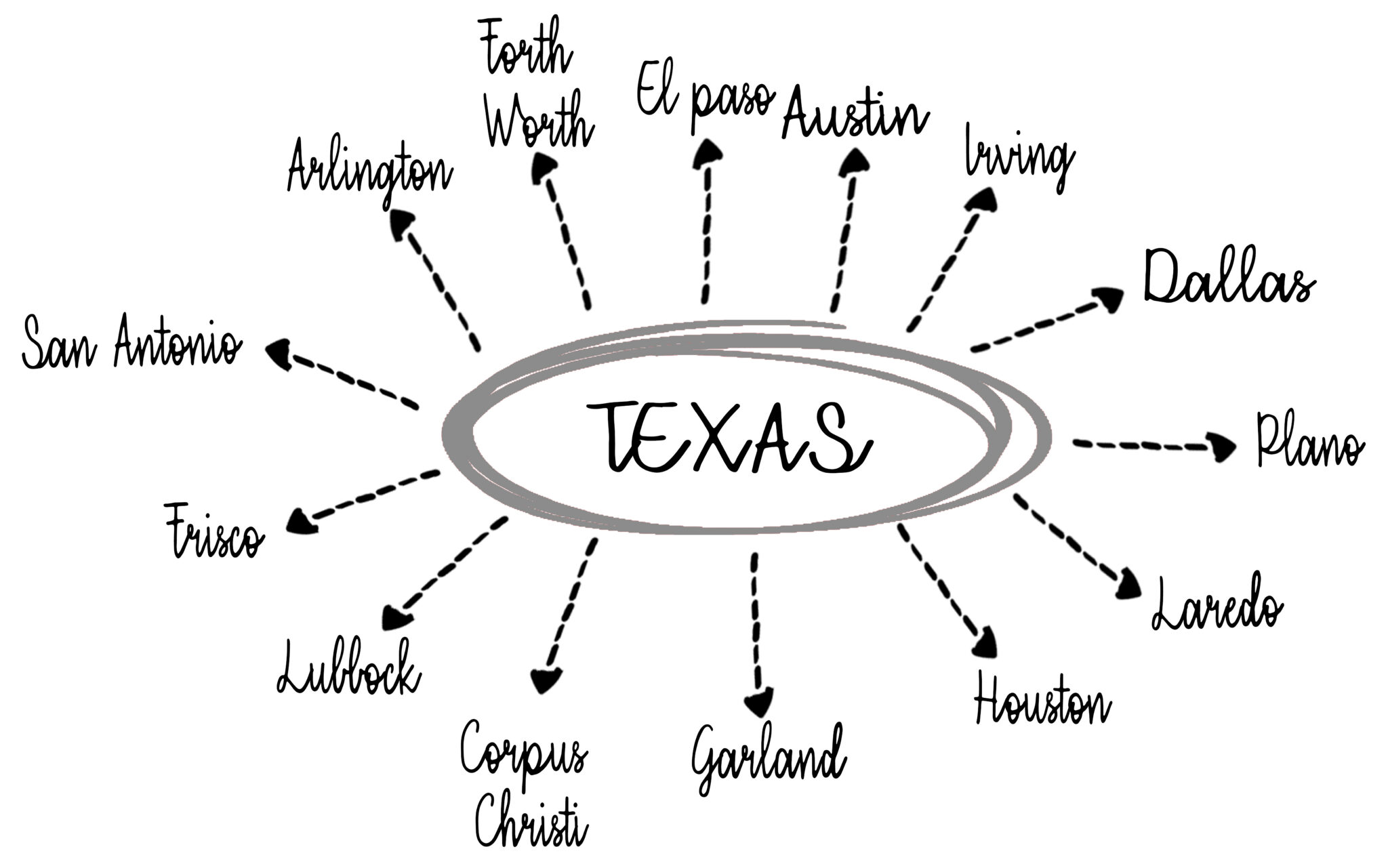
List of cities in Texas USA state mind map
Supporting Growth Across Multiple Locations
Many Texas businesses eventually expand into neighboring cities or open additional offices.
Managing communications across multiple locations often becomes increasingly complex.
A modern business communication platform can simplify growth by providing:
- One business number across locations
- Intelligent call routing
- Auto attendants
- Shared voicemail
- Business SMS
- Mobile applications for employees
- Video meetings for internal collaboration
Instead of investing in separate phone systems for each location, businesses can maintain a unified communication experience.
Communication Builds Customer Trust
Trust has always been one of the strongest competitive advantages for small businesses.
Every interaction—from the first phone call to post-service follow-up—helps shape customer perception.
According to research from Forrester on customer experience, companies that consistently deliver positive customer experiences often see stronger loyalty and long-term business growth.
Clear communication demonstrates professionalism, reliability, and respect for customers’ time.
Simple improvements such as promptly answering calls, providing appointment reminders, or routing customers to the correct person can significantly improve overall satisfaction.
Future-Proofing Texas Small Businesses
Texas continues to attract entrepreneurs, new residents, and expanding companies at one of the fastest rates in the country.
Competition will only continue increasing.
Businesses investing in better communication today are positioning themselves for long-term success by improving responsiveness, reducing missed opportunities, and delivering the level of service customers increasingly expect.
Whether serving clients across one neighborhood or multiple cities, communication is no longer just an operational necessity—it has become a strategic business advantage.
Frequently Asked Questions
Why do Texas small businesses need cloud phone systems?
Cloud phone systems allow businesses to answer calls from anywhere, support remote employees, simplify expansion, and improve customer responsiveness without relying on traditional office phone infrastructure.
How can business texting improve customer service?
Business texting enables companies to send appointment reminders, answer questions quickly, provide updates, and communicate using the channel many customers already prefer.
Can a business phone system help reduce missed calls?
Yes. Features such as call forwarding, auto attendants, voicemail-to-email, and mobile apps help ensure incoming calls reach the right employee, even when staff are away from the office.
What industries benefit most from modern business communications?
Nearly every small business can benefit, including healthcare practices, contractors, real estate agencies, legal firms, retail stores, restaurants, financial advisors, consultants, and nonprofit organizations.
How does better communication help businesses grow?
Improved responsiveness builds trust, enhances customer satisfaction, increases repeat business, and helps companies capture opportunities that might otherwise be lost due to missed calls or delayed responses.
Texas has earned its reputation as a place where businesses can thrive. But as customer expectations continue to evolve, simply offering a great product or service is no longer enough.
Businesses that communicate quickly, professionally, and consistently are better positioned to earn customer trust, generate referrals, and compete in one of the nation’s most dynamic business environments.
Modern communication tools help Texas businesses stay connected wherever work happens—whether that’s in the office, on the road, or serving customers across the Lone Star State.